Concealed vs Surface Wiring: Which Is Better for Your Home?
Compare concealed and surface wiring methods. Pros, cons, costs, and which option suits Malaysian homes best. Expert advice from certified electricians.
Haziq Rahman
Lead Electrician, ST Certified
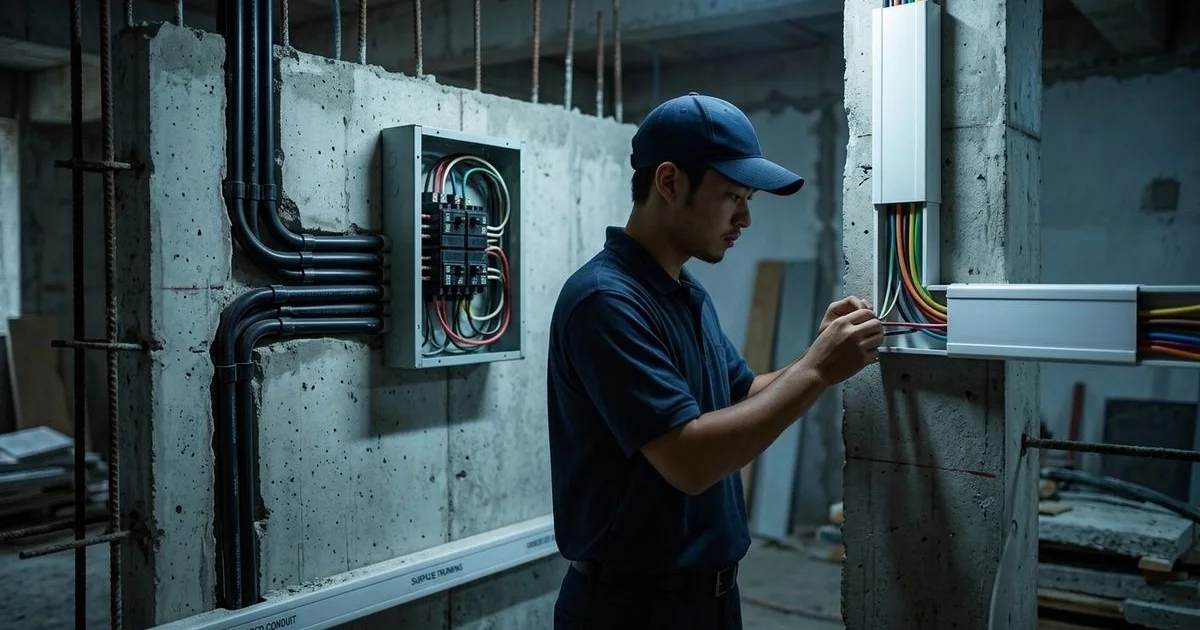
If you own a property in the Klang Valley, you have probably noticed how quickly old electrical wiring systems show their age. Our team at Electrician ProX sees this constantly when replacing worn-out cables in established neighbourhoods like Petaling Jaya. Concealed vs Surface Wiring: Which Is Better for Your Home? is the most common question clients ask during these upgrades.
Both methods are completely safe when installed to current Suruhanjaya Tenaga specifications.
We know that deciding between hidden cables and visible trunking significantly impacts both your timeline and your wallet. They differ drastically in installation cost, aesthetic appeal, and the amount of disruption they cause to your daily life. Let’s examine the 2026 market data, explore the regulatory requirements, and look at practical ways to decide on the best fit.
What Is Concealed Wiring?
Concealed wiring involves running cables inside walls, ceilings, and floors through conduits embedded directly into the building structure. Our electricians achieve this by cutting channels into the masonry, laying SIRIM-approved PVC pipes, and plastering over them for a smooth finish. The cables become completely invisible once the final layer of paint dries.
This technique is the standard approach for new Malaysian condominiums and high-end renovations.
Advantages of Concealed Wiring
Hiding your electrical network offers several distinct benefits. We always recommend this route for homeowners wanting a flawless interior design.
- Clean aesthetics: You avoid seeing visible cables or plastic trunking along your cornices.
- Strict safety compliance: Hiding cables in conduits meets MS IEC 60364 safety standards, which strongly reassures future property buyers.
- Better physical protection: A solid cement wall shields the internal cables from moisture and common household pests like rats.
- Tamper-proof safety: This setup keeps live wires completely out of reach in homes with young children or pets.
Disadvantages of Concealed Wiring
Hiding cables requires extensive structural work that comes with noticeable drawbacks. Our clients are often surprised by the sheer volume of dust generated during the wall-hacking process.
- Higher initial cost: You will pay roughly 40 to 60 percent more than visible alternatives because of the intensive labour.
- Strict building rules: You must obtain formal approval under the Strata Management Act before hacking any condominium walls.
- Deep masonry cuts: Electricians must cut channels one to two inches deep into your brickwork, creating heavy debris.
- Renovation disruption: The drilling demands a full repainting and plastering job afterwards to smooth the surfaces.
What Is Surface Wiring?
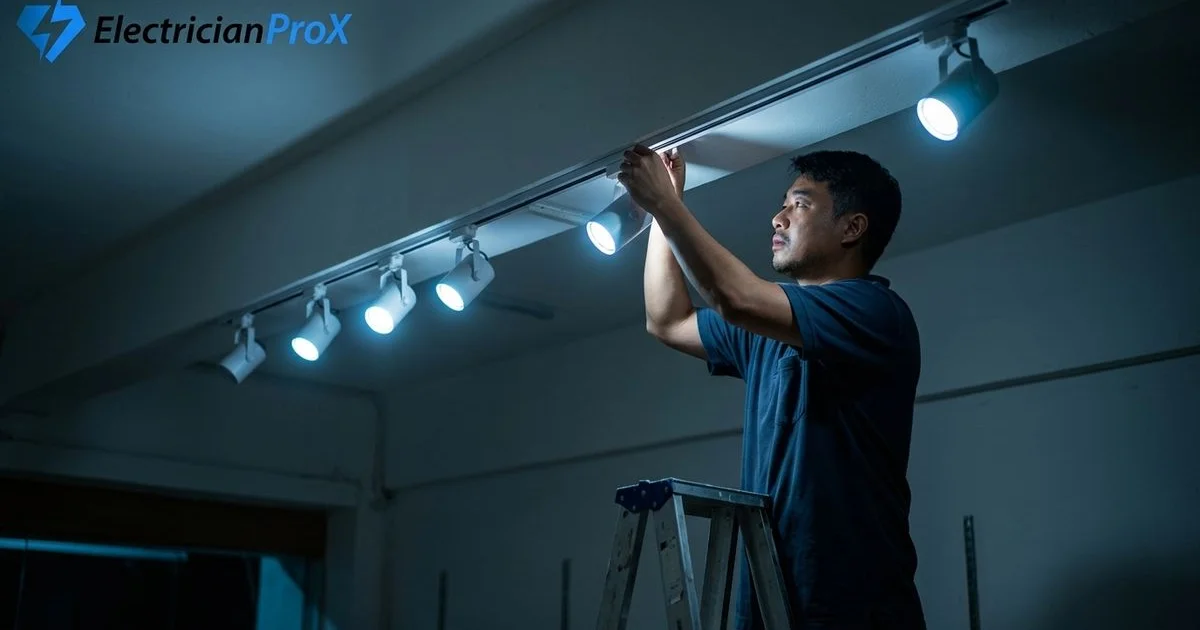
Surface wiring uses uPVC trunking or conduits mounted directly onto the exterior of your walls and ceilings. We regularly install this system in older Malaysian terrace houses, commercial shop lots, and wet kitchens. The cables stay fully protected from the elements but remain clearly visible to anyone in the room.
The Right Way to Install Trunking
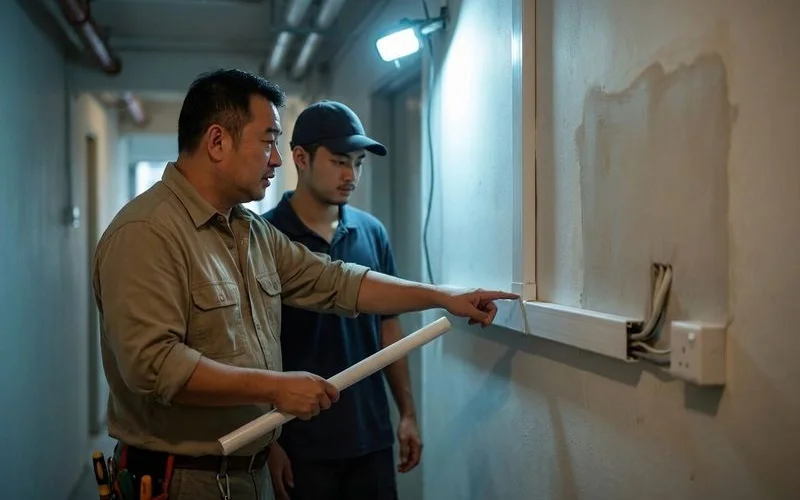
Many contractors try to take shortcuts by using double-sided sticky tape to mount the plastic casings. Our strict policy requires mechanically screwing all uPVC casings directly into the wall. The high humidity in the Klang Valley causes standard adhesive tape to fail rapidly, leading to sagging cables.
You should always insist on screw-mounted uPVC covers to prevent the plastic from cracking and exposing live wires over time.
Advantages of Surface Wiring
Leaving your conduits exposed provides a very practical solution for tight budgets. We find this method especially useful when clients need urgent upgrades without vacating the property.
- Lower total cost: You save 40 to 60 percent by skipping the expensive hacking and plastering phases.
- Faster installation: Most standard Malaysian terrace homes can be fully outfitted in just one to two days.
- Easy modifications: Electricians can simply open the casing to add new power sockets for heavy appliances later.
- No wall damage: You completely avoid the mess of cement dust and structural disruption.
Disadvantages of Surface Wiring
The visual impact of exposed plastic lines is the biggest deterrent for most homeowners. Our design-conscious clients usually reject this option for their primary living spaces.
- Visible plastic trunking: The bulky lines easily disrupt a carefully planned interior design.
- Dust collection: The flat top edges of the surface casings attract thick dust and require regular wiping.
- Space usage: The protruding boxes take up one to two inches of depth, preventing heavy furniture from sitting flush against the wall.
- Lower perceived value: Exposed lines can make a newly renovated living room feel slightly unfinished.
Cost Comparison
Understanding the financial difference helps you plan a realistic renovation budget. We updated these average 2026 market rates based on standard Klang Valley pricing. Material prices, especially the fluctuating cost of high-grade copper cables, heavily influence these final figures.
| Factor | Concealed Wiring | Surface Wiring |
|---|---|---|
| Cost per power point | RM 180 to RM 350 | RM 70 to RM 150 |
| Full house rewiring estimate | RM 8,000 to RM 15,000 | RM 4,000 to RM 7,000 |
| Installation timeline | 3 to 5 days | 1 to 2 days |
| Wall hacking required | Yes | No |
| Future expansion ease | Very difficult | Extremely easy |
Concealed vs Surface Wiring: Which Is Better for Your Home?
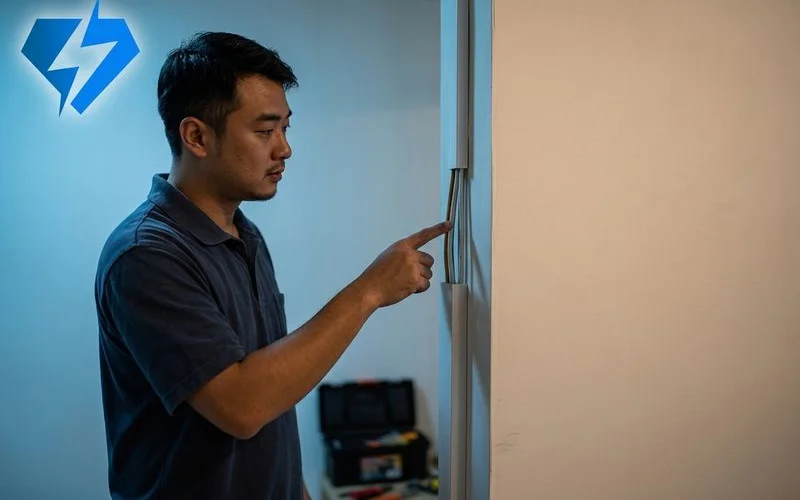
Making the final call depends entirely on your current property status and long-term goals. Our project managers assess three main factors before recommending a specific layout. You must weigh your visual preferences against your timeline and available funds.
When to Hide Your Cables
Choose the invisible route if you are building a new home from scratch. We also suggest this method for major refurbishments where you are already replacing floor tiles or doing wet works. It makes financial sense to bundle the electrical hacking with your other heavy construction tasks to save on contractor fees.
You should invest in this premium finish if you plan to flip a high-end property, as modern buyers expect invisible utilities.
When to Keep Things Exposed
Opt for visible trunking if you are working with a very strict budget. We frequently route exposed lines in functional spaces like wet kitchens or car porches where practicality beats aesthetics. This is also the smartest choice if you are updating an older property but do not want to pay for a full repainting job.
Choose this fast installation if you anticipate buying new heavy appliances and will need extra power sockets soon.
Our Recommendation
When answering the debate of Concealed vs Surface Wiring: Which Is Better for Your Home?, keep in mind that you do not have to commit to just one single method for your entire property. Our recommendation for most Malaysian homeowners renovating terrace houses is to adopt a strategic hybrid approach. You should hide the cables in your main living areas and bedrooms to maintain a beautiful, relaxing atmosphere.
You can then use exposed trunking in functional spaces like kitchens and storerooms to secure massive cost savings. We know that every house presents a unique set of structural challenges. Need help deciding what works for your layout?
Contact Electrician ProX for a free consultation and honest advice on the best electrical setup for your family.
Need Professional Help?
Contact our Suruhanjaya Tenaga certified team for a free consultation.
Get Free Quote
)